Moving Near Wormwood Scrubs: Permits, Access, Timing
Posted on 06/05/2026
Moving near Wormwood Scrubs can look straightforward on a map and then, suddenly, feel a bit fiddly on the day. Narrow streets, parking pressure, access routes that change depending on the exact address, and the usual London mix of time limits and neighbours who really do need their driveway free can all get in the way. That is why Moving Near Wormwood Scrubs: Permits, Access, Timing is worth planning properly, not just hoping for the best.
This guide breaks down what actually matters: when a parking permit or suspension might be needed, how access can affect the move, and how timing shapes everything from loading speed to whether your van sits circling the block. If you are moving a flat, a family home, student accommodation, or just a few bulky items, the aim here is simple - help you avoid preventable stress and make the day feel controlled. Not perfect. Just controlled. And that is a win.
Why Moving Near Wormwood Scrubs: Permits, Access, Timing Matters
Wormwood Scrubs sits in a part of west London where local streets can be busy, parking can be tight, and access is not always as forgiving as you might hope. A move that would be easy on a suburban road can become awkward fast if your van cannot stop close enough to the entrance, or if you are relying on a loading bay that is already occupied by someone else's car and a van with hazard lights on. London, eh.
Put simply, permits, access, and timing decide how much of the move is spent moving and how much is spent waiting. That difference matters for cost, energy, safety, and how calm the day feels. If you have a staircase, a long carry, a front garden gate, or a block entrance with a buzzer system, the logistics can shape the whole move more than the distance between addresses.
It also matters because parking mistakes near dense residential areas can snowball. One poorly planned vehicle position can mean longer carries, more handling risk, extra labour time, and a lot more hassle with neighbours. In our experience, people often focus on boxes and forget the street outside. Truth be told, the street is half the battle.
For anyone planning a larger home move, it helps to read a broader planning guide too, such as how to navigate a house move with a bit more calm, because local access issues rarely exist on their own. They usually sit alongside packing, cleaning, lifting, and scheduling decisions that all need to line up.
How Moving Near Wormwood Scrubs: Permits, Access, Timing Works
The practical side of moving in this area usually comes down to three questions: where can the vehicle stop, how can people and furniture get in and out, and what time window gives you the best chance of doing it without friction?
1. Permits and parking control
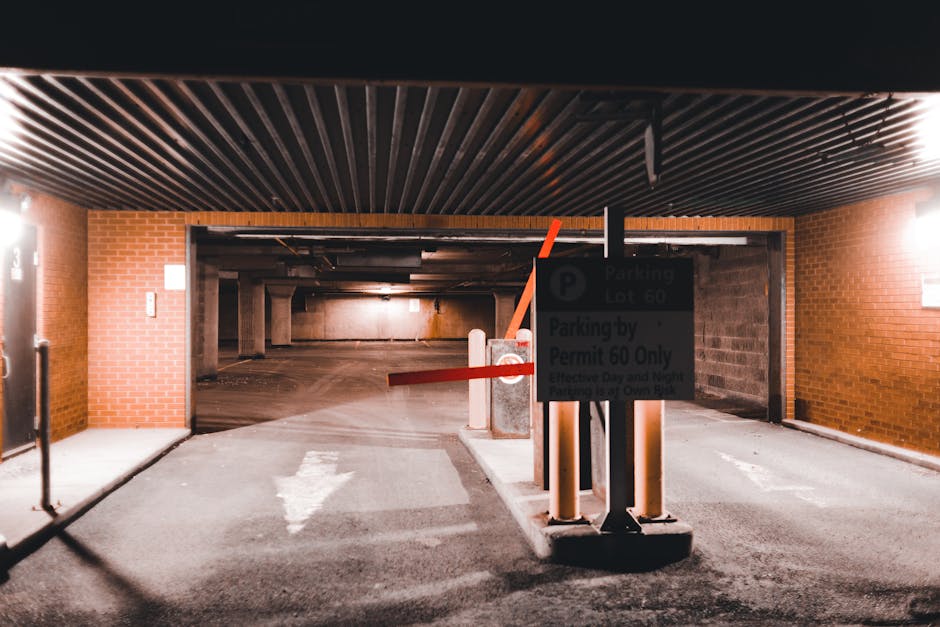
Depending on the exact street, you may need a resident parking permit, visitor permit arrangement, or a temporary parking suspension for a removals vehicle. The right option often depends on how long the van needs to stay, whether the address sits in a controlled parking zone, and whether the street has restrictions on waiting or loading. Do not assume there is space just because it looks fine at 7am on a Sunday. By 9am, that picture can change completely.
If you are unsure, check the local authority's parking pages and, where needed, confirm the rules for your specific road. This is one of those details that feels boring right up until it saves you an hour.
2. Access from the van to the property
Access means more than the front door. You need to think about whether the van can get close, whether there is a safe path for carrying items, and whether there are steps, shared corridors, narrow hallways, or awkward door widths. A long carry across a forecourt might sound manageable for one suitcase, but it becomes a very different job when you are dealing with a fridge, a mattress, or a bookcase that refuses to turn neatly.
If you have heavy items, planning the route matters a lot. It is worth brushing up on safer handling approaches from resources like solo strategies for lifting heavy objects and practical advice on safer lifting techniques. These guides help you understand why a clear route and the right grip matter just as much as strength.
3. Timing and traffic rhythms
Timing near Wormwood Scrubs should be planned around traffic, parking turnover, building access hours, and neighbour sensitivity. Early weekday starts can sometimes work well, but school runs, commuter traffic, and local delivery patterns can still create bottlenecks. Midday may offer better natural light and less pressure in some streets, yet it can also be busier. There is no magic slot for every move.
The best timing is usually the one that matches building access, loading permissions, and the amount of physical work involved. If the move includes a lot of furniture, a careful staggered start can be smarter than a rushed early start that leaves everyone tired by lunch.
Key Benefits and Practical Advantages
Getting the permits, access, and timing right does more than keep the council or neighbours happy. It directly improves how the move feels and how well it goes.
- Less wasted time: The van is more likely to park close enough for efficient loading and unloading.
- Lower physical strain: Shorter carrying distances mean less lifting fatigue and fewer awkward turns.
- Reduced damage risk: Fewer handovers and less stair-bashing means less chance of chipped walls or scuffed furniture.
- Better schedule control: You can plan packing, cleaning, and handover times more realistically.
- Improved neighbour relations: A tidy, well-timed move is simply less disruptive.
There is also a quiet psychological benefit. A move feels less chaotic when the vehicle is where it should be and the access plan is already sorted. Small thing, big difference.
If your move includes furniture that needs extra care, it can help to read about protecting specific items too, such as how to protect a sofa properly during a move and simple ways to move a bed and mattress more easily. Those items are often the first to suffer when access is awkward.
Who This Is For and When It Makes Sense
This guide is useful if you are moving into or out of the Wormwood Scrubs area and any of the following applies:
- You live on a street with controlled parking or tight kerb space.
- Your property is in a flat, maisonette, or shared building.
- You have bulky furniture, white goods, or delicate items.
- You are moving with children, elderly relatives, or limited helpers.
- You need to complete the move within a short time window.
- You are considering a man and van or a larger removals vehicle and need to know what will fit.
It also makes sense for renters and students who may be moving with less notice. A quick turnaround can tempt people to skip parking checks and just "see what happens." That is rarely the clever move. If time is tight, services such as same day removals in Old Oak Common or a flexible man and van option may be more realistic than trying to manage everything alone.
For office relocations or business equipment, the stakes rise a bit. Time pressure, entry access, and parking permissions need to be tighter, especially if staff need to keep working. In those cases, office removals support can be worth looking at early, not after the desks are already boxed.
Step-by-Step Guidance
If you want the move to feel manageable, work through it in this order.
- Check the exact address conditions. Look up the street, building type, parking restrictions, and any loading limits. Do this for both the old and new property if possible.
- Measure access points. Note doorway widths, stairs, lift size, hallway bends, and any tight corners. A tape measure is boring but brilliant.
- Decide what vehicle size is realistic. A smaller vehicle may be easier to place, while a larger one may reduce trips. The right choice depends on access, not pride.
- Book or request parking arrangements early. If a permit, suspension, or visitor arrangement is required, leave enough time for approval and any admin steps.
- Plan the loading order. Put the heaviest, least flexible items first only if they can be moved safely. Sofas, beds, and wardrobes often need a route decision before a box is even touched.
- Build in a timing buffer. Allow extra time for traffic, stair carries, building entry delays, and the classic missing-key moment. It happens.
- Prepare the property internally. Clear hallways, protect floors if needed, and keep the route from door to van as open as possible.
- Confirm the handover plan. Make sure keys, inventories, and final checks are aligned with the moving schedule.
One very practical tip: if you are not sure whether the job will need a full removals team or a simpler vehicle-and-driver setup, compare the type of move first. A good starting point is the broader services overview, which helps you see how different move sizes fit different support levels.
And if you are packing from scratch, it is worth reading stress-free packing tips and a pre-move decluttering guide before the big day. Less clutter means faster loading. Simple, but very real.
Expert Tips for Better Results
A few small decisions can make the move much smoother. Not fancy. Just effective.
Use the shortest safe carry, not the nearest-looking space
Sometimes the obvious parking spot is not the best one. If it forces awkward lifting across a busy pavement or blocks a narrow doorway, it may slow everything down. A slightly less convenient bay can be the better choice if it gives you a straighter, safer path.
Schedule around building access, not just the clock
If you are moving into a flat or managed block, ask when lifts, entrances, or concierge support are actually available. A move at the "right" time can still fail if the building access window is wrong. That sort of thing catches people out all the time.
Protect the things that usually suffer first
Edges, corners, and fabric surfaces are the usual casualties. Cover them before the van arrives if you can. For larger upholstered items, a little preparation goes a long way, and the same goes for white goods that need storage or downtime. For example, proper freezer storage advice can save you from a messy surprise later.
Keep a small "first hour" kit aside
Put kettle, mugs, chargers, snacks, toilet paper, medication, and basic tools in one clearly labelled bag. That one bag can stop the first hour in the new place from becoming a scavenger hunt. If you have ever tried to find a phone charger while standing among twenty half-sealed boxes, you know why this matters.
Use the move as a reset
A move is a good time to decide what stays and what goes. If you are already lifting it, carrying it, and paying for the space, ask whether it deserves the trip. That is why cleaning before relocation and decluttering go hand in hand. Less stuff. Less stress. Usually, better order at the other end.
Common Mistakes to Avoid
Most moving problems near Wormwood Scrubs come from a handful of predictable mistakes. The good news? They are avoidable.
- Leaving parking checks too late. This is the big one. Access and parking permissions should be confirmed before moving day.
- Assuming the van can stop anywhere. It cannot, not really. Double parking or blocking a road can create delays and stress.
- Underestimating long carries. A 20-metre carry sounds harmless until it is repeated thirty times.
- Ignoring lift or stair restrictions. Some buildings need extra planning for larger items, and some items simply should not be forced.
- Packing without a room plan. When boxes are not labelled clearly, unloading becomes messy and slow.
- Trying to move awkward items alone. Pianos, large wardrobes, and some sofa designs are not solo jobs, no matter how optimistic the plan is at 6am.
For especially difficult pieces, it is sensible to read up on why DIY piano moving is risky before deciding to wing it. Same idea applies to heavy furniture generally.
Another common issue is forgetting the final clean. If you are renting, or if there is a handover, a rushed finish can cause needless friction. A little prep in advance tends to save a lot of sighing later. Which, lets face it, nobody needs on moving day.
Tools, Resources and Recommendations
You do not need a warehouse of equipment, but a few practical tools can make a big difference.
- Tape measure: For doorways, stair widths, lift dimensions, and furniture clearance.
- Basic furniture covers or blankets: Helpful for protecting corners and upholstery.
- Dolly or sack truck: Useful where surfaces and access allow.
- Ratchet straps or strong tie-downs: For securing items in the van.
- Labels and marker pens: Essential for room-by-room organisation.
- Floor protection: Particularly useful in shared buildings or homes with delicate finishes.
For packing materials, a dedicated source of boxes and supplies can save time and reduce guesswork. You may also find the local packing and boxes service useful if you need standard materials without running around several shops.
If you prefer a hands-off approach, it can help to look at house removals support or a focused furniture removals service depending on how much needs shifting. For people in flats, flat removals can be a better match because access planning tends to be part of the service design.
Law, Compliance, Standards, or Best Practice
This kind of move can touch several practical compliance areas, even if it is not heavily regulated in the way some trades are. The main point is to follow local parking requirements, building access rules, and safe manual handling practice.
In the UK, moving work should be carried out with proper attention to health and safety. That means avoiding unnecessary strain, using suitable equipment, and planning lifts so that people are not forced into unsafe positions. If you are hiring a mover, it is reasonable to ask how they approach safety, whether they carry insurance, and what they do if access is tighter than expected. The answers should be clear and calm, not vague or rushed.
It is also worth checking the terms for the building you are entering or leaving. Some blocks have rules on lift padding, time slots, delivery windows, or booking the communal entrance. That is not red tape for the fun of it; it is often there to protect residents and the building itself.
For trust and peace of mind, you may want to review pages such as the company health and safety policy and insurance and safety information before booking. If you are comparing providers, local removal companies should be able to explain how they handle access challenges in a sensible, non-dramatic way.
Expert summary: the safest move near Wormwood Scrubs is the one where parking, access, and timing are planned together, not treated as separate little tasks. When those three line up, everything else gets easier.
Options, Methods, or Comparison Table
Different moving methods work better depending on access, timing, and the amount you are relocating. Here is a simple comparison.
| Option | Best for | Pros | Watch out for |
|---|---|---|---|
| DIY with a hired van | Small loads, flexible timing, experienced movers | Can be cost-effective and flexible | Parking stress, lifting risk, longer carry times |
| Man and van service | Medium-sized moves, flats, smaller homes | More practical than DIY, less physical strain | May still need careful access planning |
| Full removals team | Larger homes, heavy furniture, tight deadlines | Better for complex access and bulky items | Needs clearer advance planning and booking |
| Specialist item move | Pianos, safes, unusually heavy or fragile pieces | Safer and more controlled handling | May need extra access checks and equipment |
If your move includes a specialist item, do not guess. Piano transport in particular can go wrong very quickly if access is not verified. A careful local service such as piano removals is a better fit than improvising with a borrowed trolley and a hopeful attitude.
Case Study or Real-World Example
Here is a realistic example based on the kind of move people often face around this part of west London.
A couple moving from a first-floor flat near Wormwood Scrubs had a modest amount of furniture: a bed, two sofas, a dining table, boxes of books, and a freezer they wanted to move into storage temporarily. The street looked quiet during their initial visit, so they assumed roadside loading would be easy. On moving day, a few vehicles were already parked on the better side of the road, and the van ended up a bit farther away than planned.
That extra distance changed the rhythm of the move. The bed and sofas took longer to carry, the hallway at the new place needed more careful turning, and the freezer became the awkward item nobody wanted to deal with first. Not a disaster, just messy enough to be annoying.
What helped was simple preparation: they used a smaller vehicle for the narrow access point, moved the heaviest items first while everyone still had energy, and left the freezer until they had checked the final space at the new address. They had also prepared boxes properly and separated the essentials, which meant the first evening was actually manageable.
That is the pattern, really. When access is tricky, preparation buys you time. And time is the thing you never quite have enough of on moving day.
For situations like this, it is often worth pairing the move with storage if you are not ready to take everything straight through. Storage in Old Oak Common can bridge the gap when access or timing forces a phased move, especially if you are in between tenancies or waiting on refurbishments.
Practical Checklist
Use this checklist a few days before the move, then again on the morning itself.
- Confirm the exact moving date and time window.
- Check parking restrictions on both ends of the move.
- Arrange any permits, suspensions, or visitor permissions needed.
- Measure doorways, stairs, and any lift dimensions.
- Identify the safest loading point for the van.
- Label boxes by room and priority.
- Set aside essentials for the first night.
- Protect floors, walls, and furniture corners where needed.
- Keep keys, documents, chargers, and medicine easy to find.
- Have a backup plan if parking or access changes on the day.
Quick takeaway: if you can answer where the van will stop, how items will get in and out, and when the move will happen, you have already solved most of the hard part.
Get a free quote today and see how much you can save.
Conclusion
Moving near Wormwood Scrubs is not difficult because of one big problem. It is usually a chain of small ones: parking that needs checking, access that turns out tighter than expected, timing that clashes with traffic or building rules, and the classic "we'll just sort it on the day" approach. That last one, to be fair, is rarely the hero.
When you plan permits, access, and timing together, the move becomes more predictable. You save energy, reduce risk, and give yourself a better chance of getting into the new place without that drained, end-of-day feeling where everything is in the wrong room and nobody can find the box marked KITCHEN.
Take the time to plan the street outside as carefully as the rooms inside. The difference is real, and once you have done it once, you will never quite look at a moving van the same way again.