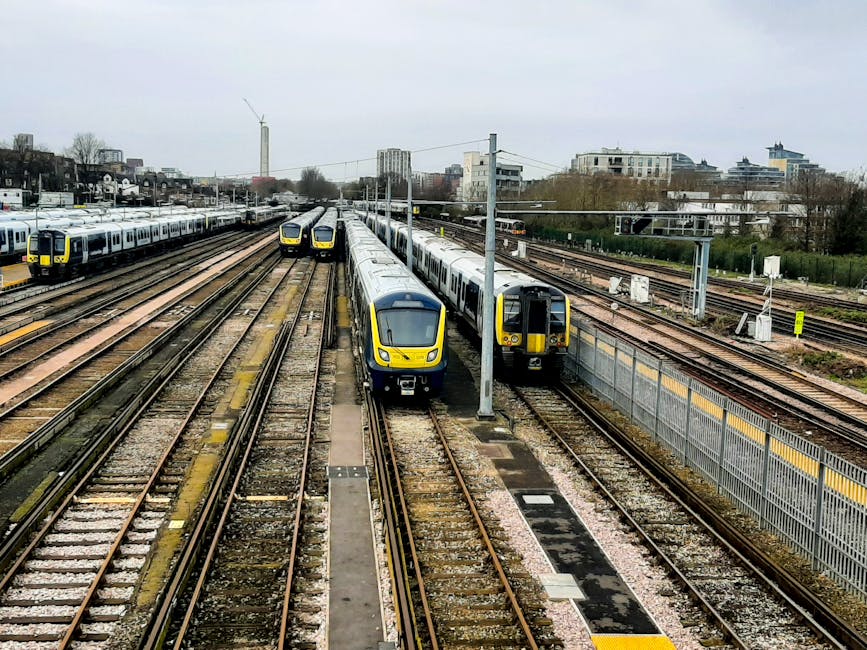
Moving near Old Oak Common station: access tips
Posted on 22/05/2026
Moving near Old Oak Common station: access tips for smoother loading, parking and arrival
If you are moving near Old Oak Common station, access can shape the whole day. One tight road, one awkward loading bay, or a rush-hour queue can turn a simple move into a long, tiring shuffle with boxes, doors, and van space all working against you. The good news? With a little local planning, most of the stress is avoidable.
This guide brings together practical moving near Old Oak Common station: access tips for flats, houses, student lets, and office moves. You will find advice on vehicle access, timing, parking, building entry, packing order, and the small details that make a move feel calm rather than chaotic. To be fair, it is often the tiny things that matter most: a lift booking, a postcode check, or simply knowing where the van can safely stop.
We will also point you towards useful supporting resources, including local man and van support in Old Oak Common, flat removals for tighter properties, and packing supplies and boxes for organised loading. If you want a move that feels less like a scramble and more like a plan, you are in the right place.

Why Moving near Old Oak Common station: access tips Matters
Old Oak Common is a place where access can be straightforward one minute and awkward the next. You may have wide enough roads for a van, then suddenly hit a narrow side street, a busy junction, a controlled parking zone, or a block entrance with no obvious stopping point. That mix is exactly why access planning matters so much.
For residents, the main issue is time. If the van cannot stop close to the door, every box takes longer. If the route from van to front door includes stairs, door codes, lifts, or a long walk around the building, the move gets harder very quickly. For businesses, those same access issues can interrupt staff, deliveries, and opening hours. For students and renters, a short tenancy move can become a real headache if the transport plan is left too late.
And let's face it, moving day already has enough moving parts. You do not need avoidable ones. A proper access plan helps you reduce lifting distance, protect items, and keep the day on schedule. It also helps you judge whether a simple removal van in Old Oak Common is enough or whether you will want a more complete removal service with additional loading support.
How Moving near Old Oak Common station: access tips Works
Access planning is basically a process of matching your property, your street, and your belongings to the right vehicle and loading method. Simple idea. But the details matter.
First, you map the route the van will actually use. Not just the road name, but the exact approach. In some parts of London, one-way systems, narrow turns, height restrictions, and busy commuter traffic can change the whole move. Then you assess the property itself: Is there step-free access? Is there a lift? Is the entrance shared? Can a van stop outside for a few minutes without causing problems?
After that, you decide the loading approach. For example, a second-floor flat with a narrow staircase may need smaller, well-packed boxes and furniture that is dismantled ahead of time. A house move may benefit from a larger vehicle and a direct load from the front door. An office move near the station may require a timed arrival to reduce disruption. This is where services like house removals in Old Oak Common or office removals near Old Oak Common become especially relevant.
In practice, good access planning asks four questions:
- Where will the vehicle stop?
- How far is the van from the door?
- What obstacles sit between those two points?
- What can be moved, dismantled, or packed differently to make the route easier?
Once those answers are clear, the move becomes much easier to control. Not perfect, mind you, but definitely more manageable.
Key Benefits and Practical Advantages
The main benefit of better access planning is simple: less stress. But there are several very practical gains as well.
- Shorter loading time: Less distance between the property and the vehicle means fewer trips and quicker turnaround.
- Lower risk of damage: Tight corners, crowded entrances, and poor parking can lead to bumps and scuffs if you are rushing.
- Less physical strain: Good access reduces the number of lifts and carries, which matters a lot with heavy or awkward items.
- Better timing: When the access route is realistic, you are less likely to run late or miss a booking slot.
- Clearer cost control: Time saved on loading and unloading often means less pressure on the overall move budget.
There is also a quieter benefit that people sometimes overlook: confidence. When you know the plan, you tend to pack more sensibly, label boxes properly, and make decisions faster. If you need help with the hard-edged stuff, the guide on stress-free house packing is a very good companion read.
For fragile or bulky belongings, strong access planning can make the difference between a calm move and a lot of awkward hovering in a hallway. A sofa, bed frame, freezer, or piano all behave differently once stairs and narrow entrances are involved. That is why a bit of thought before the day pays off in a big way.
Who This Is For and When It Makes Sense
This guide is useful for more than one type of mover. If you live or work close to Old Oak Common station, there is a good chance you will recognise yourself in one of these situations.
- Flat movers: Especially if you are in a block with shared access, lifts, or limited stopping space.
- Students: Short-term tenancies, smaller loads, and tight deadlines often mean access has to be planned neatly. See also student removals in Old Oak Common.
- Families moving house: More furniture, more boxes, more chances for access to become the bottleneck.
- Office managers: Timing and building access matter when you cannot interrupt work for long.
- People with bulky items: Sofas, mattresses, wardrobes, fridges, and pianos all raise the stakes.
It also makes sense if you are not moving far at all. Short-distance moves can be deceptively tricky, because people assume they will be quick and do not prepare properly. Then, on the day, they find the lift is booked, the van cannot pause outside, and half the move is spent waiting. Bit frustrating, that.
If your move involves specialty items, the linked guides on moving beds and mattresses, protecting a sofa, and the risks of DIY piano moving are worth a look before the big day.
Step-by-Step Guidance
Here is a practical way to plan access near Old Oak Common station without making it more complicated than it needs to be.
- Check the exact address and entrance. Make sure everyone is using the same postcode, flat number, and building entrance details. Small mismatch, big delay.
- Assess the street outside. Look for parking restrictions, double yellow lines, narrow turning space, or anything that may stop a van from pulling in safely.
- Measure the real path from van to property. Count steps, note lifts, and look for doors that swing awkwardly or corridors that are too narrow for large furniture.
- Decide what needs dismantling. Beds, wardrobes, tables, and desks often move better when broken into manageable parts. That is often the difference between a smooth move and a scratched wall.
- Pack by access, not just by room. Heavy items should go into smaller boxes. Light items can go into larger ones. If the route is awkward, keep loads easier to carry.
- Book the vehicle and helpers around the access window. If the road is busy, a morning slot may be easier than later in the day. Check whether a same-day option is appropriate with same-day removals in Old Oak Common.
- Protect floors and doorways if needed. Communal areas can be easily marked. A little care helps everyone, and it keeps you on good terms with building management too.
- Keep essentials separate. Documents, keys, chargers, snacks, kettle items, and medication should not disappear into the van at the back of a pile of boxes.
One small but useful habit: walk the route once with empty hands before the van arrives. You notice things you missed before, like a low shelf, a tight corner, or a door closer that needs an extra push. It sounds almost too simple, but it helps.
If you are moving a lot of boxes, a clear packing system makes the route easier too. For that, decluttering before the move and using the right packing and boxes support can reduce both weight and volume.
Expert Tips for Better Results
Here are the sort of tips that tend to make a real difference on moving day. Not flashy. Just effective.
- Time the move to the street, not just the clock. Around station areas, traffic flow can change fast. Early mornings are often easier than late afternoons, especially if commuters are coming and going.
- Keep a parking plan B. Even if your preferred stop is unavailable, know the nearest realistic backup. A backup that is 30 seconds away is far better than one that means crossing busy roads with a chest of drawers.
- Use smaller loads for awkward access. If the front path is tight, a stack of medium boxes is usually more useful than one overfilled monster box.
- Label by destination and priority. Put "kitchen first," "bedroom," or "open immediately" on the boxes you need most. Saves endless rummaging later.
- Protect corners and handles. A tiny nick on a stairwell wall is easy to make. A bit of wrapping saves that awkward silence when someone spots it.
- Measure oversized items. Do not guess whether the sofa fits. Measure the sofa, measure the doorway, and measure the turning space. Guessing is how people end up turning a sofa like a puzzle piece in a hallway.
If you are handling heavy lifting yourself, this is the point where technique matters. Our guide to kinetic lifting and the practical advice on lifting heavy objects safely can help you avoid strain and bad habits.
Expert summary: The best access plan is the one that reduces carrying distance, avoids rush-hour pressure, and matches the vehicle to the property rather than the other way around.

Common Mistakes to Avoid
Most access problems are not dramatic. They are just small oversights that pile up. Here are the ones we see most often.
- Not checking parking restrictions in advance. A van arriving with nowhere sensible to stop can delay everything.
- Assuming the lift will be available. Building lifts can be slow, booked, or unexpectedly out of use.
- Overpacking boxes. Heavy boxes are harder to carry and more likely to split. A box should be manageable, not heroic.
- Leaving dismantling until moving day. That tends to create stress exactly when you least need it.
- Forgetting about neighbours and shared spaces. Communal hallways, bins, and bike storage areas can all affect access.
- Not asking about insurance or handling conditions. If a move includes valuable items, it is sensible to understand what is covered and how items should be prepared.
There is also the classic mistake of packing access hazards into the last box. Scissors, chargers, tape, a torch, keys - then you spend ten minutes searching because the only scissors are already in the van. Happens more often than people admit.
For valuable furniture and specialised items, it may be worth using a service designed for the job, such as furniture removals in Old Oak Common or piano removals in Old Oak Common.
Tools, Resources and Recommendations
You do not need a truckload of gear to improve access, but a few tools make a real difference.
| Tool or resource | Why it helps | Best for |
|---|---|---|
| Measuring tape | Checks doors, furniture sizes, lift widths, and turning points | Any move with bulky items |
| Furniture blankets and wrap | Reduces scuffs, scratches, and impact damage | Sofas, tables, wardrobes |
| Sturdy boxes in mixed sizes | Lets you balance weight and shape for awkward access | Flats, stairs, and shared entrances |
| Trolley or sack truck | Reduces strain on longer internal carries | Ground-floor access, offices, and dense box loads |
| Lift booking or building notice | Helps avoid last-minute building conflicts | Managed flats and apartments |
Alongside physical tools, the right service matters. If you want a simple local solution, man and van support in Old Oak Common can be a flexible option. If you are moving more than a few items, compare that with fuller removals in Old Oak Common or a dedicated removal company near Old Oak Common.
For moves that need temporary holding space, especially when access dates do not line up neatly, storage in Old Oak Common can take pressure off the timetable. That little buffer can save a lot of frantic phone calls.
Law, Compliance, Standards and Best Practice
There are a few compliance and best-practice points worth keeping in mind, especially in London where streets, buildings, and shared spaces are often tightly managed.
First, parking and stopping restrictions must be respected. That may sound obvious, but on a moving day it is easy to get tempted into a quick stop in the wrong place. Resist that temptation. It is safer to plan a lawful stop or arrange a loading approach that fits local conditions. If you are unsure, check the relevant street signs carefully and allow time for the unexpected.
Second, many buildings have their own move-in rules. These can include lift booking slots, floor protection requirements, limits on moving hours, or instructions for using service entrances. Those rules are usually practical rather than annoying, even if they feel that way at 7:30 in the morning. They protect the building and help prevent disputes.
Third, good manual handling practice matters. Heavy items should be moved with proper technique, sensible team lifting, and appropriate equipment. If an item is too awkward or too heavy, it is better to pause and plan than to force it. Our health and safety policy and insurance and safety information are useful pages to review if you want to understand the approach to careful handling and risk reduction.
Finally, if you are packing items for storage or recycling unwanted belongings, the way you sort and dispose of things should be sensible and responsible. For a more environmentally conscious move, see the company's recycling and sustainability information. It is a small part of the move, but a meaningful one.
Options, Methods, or Comparison Table
Different moves near Old Oak Common station need different access approaches. Here is a simple comparison to help you decide what makes sense.
| Approach | Best for | Pros | Watch-outs |
|---|---|---|---|
| Self-managed van hire | Small local moves with simple access | Flexible, often cost-conscious | You handle loading, parking, and timing yourself |
| Man and van | Medium moves, flats, or short-notice transport | Good balance of help and flexibility | May still need careful access planning |
| Full removal service | House moves, bulky furniture, more complex access | More support, less manual pressure | Needs more advance coordination |
| Storage-first move | Moves with date gaps or access restrictions | Creates breathing room and avoids rushed decisions | Extra handling step, so packing quality matters |
Truth be told, the "best" option is usually the one that fits your access situation rather than the cheapest one on paper. A lower-cost move that wastes time on the day is not always lower-cost in the end.
Case Study or Real-World Example
Picture a typical move from a second-floor flat a short walk from Old Oak Common station. The resident has a sofa, a bed frame, six medium boxes, a coffee table, and a freezer that needs careful handling. The street is not especially narrow, but parking is limited during the morning.
At first glance, it looks simple enough. But the access route includes a shared hallway, a tight stair turn, and a lift that is small enough to make the freezer a question mark. The original plan was to load everything in one go. On inspection, that would have meant repeated trips, slow stair work, and probably one person standing awkwardly in the corridor while someone else tried to pivot the sofa. Not ideal.
The better approach was:
- book a slightly earlier slot before traffic built up;
- dismantle the bed frame the day before;
- wrap the sofa corners and use blankets for the table;
- move the freezer last, with clear handling space at both ends;
- keep the hallway clear and the essentials box separate.
The result was not magical, just efficient. Less squeezing. Less pause-and-think. Fewer chances to knock a wall. That kind of move is boring in the best possible way.
If you have a similar setup, it may be worth reading the practical guides on storing a freezer properly and cleaning before relocation so you do not carry avoidable hassle into the new place.
Practical Checklist
Use this quick checklist a day or two before your move.
- Confirm the full address, flat number, and entry instructions.
- Check parking, loading restrictions, and building rules.
- Measure bulky furniture and compare it with doorways and stair turns.
- Book any lift slot or access window required by the building.
- Decide what will be dismantled before moving day.
- Pack heavy items into smaller boxes.
- Set aside essentials, valuables, and documents.
- Wrap fragile corners, glass, and exposed furniture surfaces.
- Keep a clear route from the front door to the van.
- Have a backup plan if your first parking choice is blocked.
- Make sure everyone knows the plan and timing.
Quick takeaway: access problems near Old Oak Common station are usually solvable if you prepare early, keep your load manageable, and choose the right service for the property type.
Conclusion
Moving near Old Oak Common station does not need to be complicated, but it does need to be thought through. The area's mix of station traffic, residential streets, flats, and busy local movement means access is often the deciding factor between a smooth day and a difficult one. If you plan the vehicle stop, measure the route, pack sensibly, and respect building and parking rules, you put yourself in a much stronger position.
The real win is not just saving time. It is lowering the mental noise. Fewer surprises. Fewer strained lifts. Fewer "where do we put this now?" moments. That is what good access planning gives you.
If you are still weighing up your options, exploring local support for removal services in Old Oak Common, flat removals, or even same-day removals can help you choose the right fit for your timeline and access needs.
Get a free quote today and see how much you can save.
And once the last box is in place, you get that strange lovely moment of quiet, when the kettle's on, the corridor is clear, and the move already feels a little further behind you.