Packing and removals for flats near Willesden Junction station
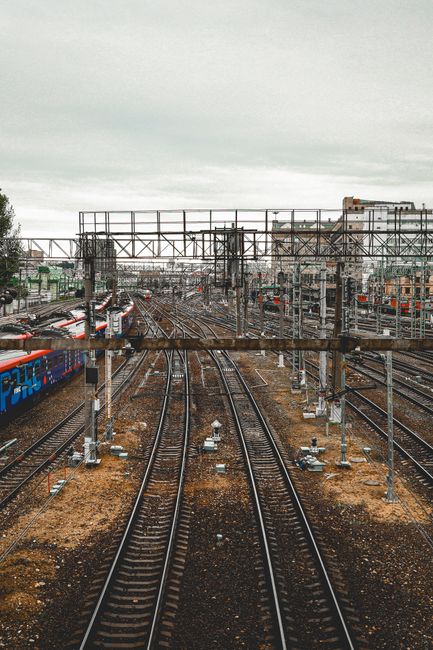
If you are planning Packing and removals for flats near Willesden Junction station, you are probably dealing with the usual London mix: limited space, awkward stairwells, shared entrances, parking that disappears just when you need it, and a moving day that has a habit of feeling too small for the job. Truth be told, flat moves near a busy station can be smoother than people expect, but only if the packing, timing, and transport are thought through properly.
This guide walks you through what actually matters, how the process works, and how to avoid the little errors that turn a straightforward move into a stressful one. You will also find practical checklists, a comparison table, and a realistic example of how a flat move near Willesden Junction can be handled without chaos. Let's keep it simple and useful.
- Why this kind of move matters
- How the process works
- Benefits and practical advantages
- Who it is for
- Step-by-step guidance
- Expert tips for better results
- Common mistakes to avoid
- Tools, resources and recommendations
- Law, compliance, standards and best practice
- Options, methods and comparison table
- Case study or real-world example
- Practical checklist
- Conclusion
- Frequently asked questions
Why Packing and removals for flats near Willesden Junction station Matters
Flat removals near Willesden Junction are a slightly different beast from a suburban house move. The station area sits within a busy transport corridor, which usually means more foot traffic, tighter road space, and a higher chance that your move needs to fit around everyday London life rather than the other way around. If you are moving from a top-floor flat or a converted building, the logistics become even more specific.
Packing matters because flats rarely give you the luxury of staging everything in a garage or hallway. You tend to live among your boxes for a while, which means the packing has to be orderly, durable, and a bit ruthless. Nobody wants to realise on the morning of the move that the kettle is buried under the winter coats and the charger for the only phone with battery left. Been there, seen that, not ideal.
The local context matters too. Around a station, a mover has to think about timing, access, and carrying distance from the vehicle to the front door. Even a short walk can become a problem if the lift is small, the stairwell is narrow, or the loading space is awkward. That is why a proper plan for packing and removals for flats near Willesden Junction station is not just helpful. It is the difference between a calm transfer and a long, clunky day.
Expert summary: The best flat moves near Willesden Junction are rarely the ones with the biggest van. They are the ones with the best packing order, the clearest access plan, and the fewest surprises.
How Packing and removals for flats near Willesden Junction station Works
In practical terms, the process usually starts before moving day with sorting, packing, and a quick look at the route in and out of the building. A good removal plan should cover what is being moved, how it is protected, where the vehicle will stop, and what needs to be dismantled or carried separately.
Most flat moves follow a rhythm like this:
- Assess the property size, floor level, and access points.
- Decide what should be packed early, what can wait, and what should travel separately.
- Use the right materials so fragile items, furniture, and electronics stay protected.
- Label boxes clearly by room and priority.
- Load the van in a practical sequence so essentials come out first.
- Deliver, carry in, and place items where they belong rather than dumping everything in one room.
That last point sounds obvious, but it is one of the biggest quality markers in a move. A careful team will think not only about getting items from A to B, but about making B liveable quickly. If your bed frame, mattress, and kettle are easy to access first, the whole first night feels different. That is not a small thing.
For some people, a man and van style service works well for smaller flats and lighter loads. For others, a larger removals team is better, especially if there is a lot of furniture or no lift access. The right answer depends less on the postcode and more on the shape of the move itself. A one-bed flat with stairs can be more awkward than a larger flat with lift access and decent parking. Funny how that works.
If you are still comparing service types, it can help to look at the broader removal services available and decide whether you need full packing support, transport only, or a more flexible moving-day arrangement.
Key Benefits and Practical Advantages
People often think packing is just packing. In reality, good packing is risk management. It protects your belongings, shortens loading time, and lowers the odds of breakage, confusion, or last-minute panic. For flats near a station area, those benefits multiply because access is often the thing that makes or breaks the day.
- Less damage: Proper wrapping and box selection reduce knocks, tears, and crushed corners.
- Faster loading: Clearly labelled boxes and grouped items make the van work more efficiently.
- Better use of space: A well-packed van can often carry more safely than a loosely arranged load.
- Less stress: You know where essentials are, which helps on the first night.
- Cleaner unloading: Items can be taken directly to the right room, which saves time and energy.
There is also a mental benefit that people underestimate. When your flat is packed properly, the move starts to feel finite. Boxes are ready, drawers are emptied, surfaces are clear. The place feels like it is moving on. That can be oddly reassuring on a busy street where the day itself feels a bit relentless.
For many households, it is also worth considering whether support with packing and unpacking services would save time and reduce pressure. It is especially useful if you are juggling work, children, or a short moving window.
Who This Is For and When It Makes Sense
This kind of service suits more people than you might think. It is not only for large family homes or complicated relocations. In fact, flat moves are often where organised packing matters most because the space is smaller and the margins for error are tighter.
It makes sense if you are:
- moving from a studio, one-bed, or two-bed flat
- living in a building with stairs, tight hallways, or limited lift access
- trying to move on a weekday with limited parking flexibility
- concerned about delicate items, TVs, mirrors, or awkward furniture
- short on time and need the packing done efficiently
- moving between rentals and want the transition to be tidy and quick
It also makes sense if you are moving in and out of older buildings, shared conversions, or blocks where access is not especially generous. You do not need a dramatic problem for the service to be worthwhile. Sometimes you just need a move that does not become your entire week.
If your move is local and relatively light, a smaller vehicle may be enough. A service like man with van can be a practical choice for smaller flats where the load is manageable and access is not too awkward. On the other hand, if you have a larger inventory, more fragile items, or a tighter schedule, a fuller removals setup may be the better fit.
Step-by-Step Guidance
Here is the most practical way to approach a flat move near Willesden Junction station. Keep it steady. No heroics required.
1. Start with a realistic inventory
List the furniture, boxes, appliances, and fragile items you actually have. Do not guess. Walk around the flat room by room and write it down. A quick list will tell you whether you need dismantling, specialist handling, or just careful stacking.
2. Separate essentials from everything else
Put aside the items you will need on day one: toiletries, chargers, documents, kettle, tea, medication, a change of clothes, and basic cleaning supplies. Pack these in one clearly marked bag or box and keep them with you if possible. It sounds basic, but it saves real grief later.
3. Pack by room, not by mood
Mixing everything together is where confusion starts. Pack one room at a time and label each box clearly. If you have the energy, write a few priority notes like "open first" or "fragile." That tiny bit of structure really helps.
4. Protect fragile and awkward items properly
Use wrapping, padding, and strong boxes for anything breakable. For TVs, mirrors, glass shelves, and picture frames, ask for extra protection or specialist packaging. If you have a sofa that needs removing from a narrow hallway, measure the route before moving day. It sounds dull. It is not. It can save the whole job.
5. Confirm access and parking
Around a station, timing is everything. Check where the vehicle can stop, how far the carry distance is, and whether there are any restrictions. The mover needs to know about lifts, entry codes, loading bays, and anything else that might slow things down. If you are not sure, err on the side of too much detail.
6. Decide what gets dismantled
Beds, wardrobes, and bulky shelving often move better when taken apart. Keep screws and fittings in labelled bags and tape them to the correct item or store them in one known box. One labelled bag now can save you forty-five minutes later. Maybe more.
7. Load in a sensible sequence
Heavy items usually go in first, followed by stable boxes, then lighter and fragile items. This makes the load safer and easier to unload in the right order. The aim is not to fill every centimetre. The aim is to move things without crushing half your possessions.
8. Unload with a plan
At the new flat, place key items in the correct rooms before the boxes pile up. Bed first, then essentials, then the rest. If you do this properly, the flat starts to feel liveable almost immediately, even if the unpacking continues for a day or two.
Expert Tips for Better Results
Over time, the same small habits keep showing up in smoother moves. Nothing flashy. Just the sort of detail people are glad they noticed before the van arrived.
- Use more small boxes than huge ones. Big boxes get too heavy and awkward fast, especially on stairs.
- Pack a "first night" box. Toiletries, bedding, chargers, snacks, and a mug can be a lifesaver.
- Photograph cable setups before unplugging. TVs, routers, and desk equipment are easier to rebuild when you have a reference.
- Keep one hallway clear. In a flat, clutter in the wrong place slows everything down.
- Use colour coding if you like systems. It is not essential, but it can make box placement quicker.
One small but useful tip: pack books and heavy items in smaller containers, not oversized boxes. It is one of those practical bits people ignore until they lift a box and immediately regret it. Also, and this is very London, keep a lookout for rain if you are moving items through a shared entrance or onto a pavement. A damp cardboard corner can become a saggy cardboard corner rather quickly.
If you need broader moving support, especially for busy schedules or mixed loads, it is worth reviewing home moves alongside any packing help so you can see how the moving day itself will be structured.
Common Mistakes to Avoid
Most move-day problems come from a handful of avoidable errors. The good news is that once you know them, they are easy enough to dodge.
- Packing too late: Leaving everything until the night before usually leads to poor labelling and missing essentials.
- Underestimating access issues: A flat near a station may have limited parking, narrow approaches, or more pedestrian traffic than expected.
- Overfilling boxes: Heavy boxes are harder to carry and more likely to split.
- Not protecting furniture: Scratches and dents often happen during the carry, not the drive.
- Forgetting to measure large items: Sofas, mattresses, and wardrobes can get stuck in tight corridors.
- Failing to label clearly: If every box says "misc," the unpacking will feel endless.
Another mistake is assuming every move needs the same setup. It does not. A studio flat with no lift and a third-floor walk-up needs a different plan from a ground-floor apartment with easy access. That sounds obvious, but people often book too quickly and hope the rest sorts itself out. It rarely does.
And yes, sometimes the smallest mistake is the one that stings. The scissors packed in a box. The packed-away phone charger. The kettle somewhere in the van under three lamp shades and a suitcase full of winter boots. Tiny things, big annoyance.
Tools, Resources and Recommendations
You do not need a mountain of equipment, but a few practical tools make life much easier. If you are packing a flat properly, start with the basics and use them well.
| Item | Best for | Why it helps |
|---|---|---|
| Strong small boxes | Books, kitchenware, heavy items | Safer to carry and less likely to split |
| Wardrobe boxes | Clothes on hangers | Speeds packing and keeps garments tidy |
| Bubble wrap or paper wrap | Glass, mirrors, lamps, decor | Protects against knocks in transit |
| Strong tape and marker pens | Sealing and labelling | Keeps boxes secure and easy to identify |
| Furniture covers or blankets | Sofas, tables, wardrobes | Helps prevent scratches and scuffs |
For route-specific moving advice and local planning ideas, some people also find it helpful to look at articles such as local moving tips for the Willesden Junction area and guidance on station access timing. Even if your exact street differs, the same access logic often applies.
On the service side, broader options like removals or a smaller man and van removals setup can be compared against the size of your flat and the amount of furniture involved.
Law, Compliance, Standards, or Best Practice
For a flat move, compliance is usually less about paperwork and more about doing the right practical things. That said, there are still a few important UK best-practice areas to keep in mind.
First, if you live in a block with management rules, check whether there are booking slots for lifts, quiet hours, or restrictions on using shared entrances. Many buildings have their own procedures, and it is better to ask early than find out on the day. A small clash with neighbours or concierge staff can throw off the whole schedule.
Second, if parking or loading is tight, the move should be planned with care. Local restrictions, permit requirements, and loading rules can vary. You do not want to discover that the van is too far away after half the flat is already on the pavement. A bit of advance checking saves a lot of running about.
Third, good moving practice includes safe handling. Items should be lifted sensibly, loads should be secured, and fragile goods should be packed with enough protection for the journey. This sounds basic because it is basic, and basic is good. No drama needed.
If you want reassurance on service standards, it can also help to review insurance and safety, along with the company's health and safety policy. Those pages show how a mover thinks about risk, care, and responsibility in a very practical way.
Payment, cancellations, and service expectations should also be clear before booking. A professional arrangement ought to be transparent, not vague. If terms are unclear, ask. Simple as that.
Options, Methods, or Comparison Table
Not every flat move needs the same approach. The right method depends on your budget, volume, access, and how much help you want with packing. Here is a simple comparison.
| Option | Best for | Pros | Trade-offs |
|---|---|---|---|
| Self-pack with transport only | Smaller flats, tight budgets, well-organised movers | Lower cost, more control | More time and physical effort |
| Partial packing help | Mixed-size flats or people short on time | Good balance of support and flexibility | Still requires some packing effort |
| Full packing and removals | Busy households, fragile loads, complex access | Fast, organised, less stress | Usually the most expensive option |
| Man and van for light moves | Studios, small one-beds, low-volume moves | Flexible and practical | May not suit bulky furniture or larger loads |
For some readers, a smaller flexible option is enough. For others, especially those moving from upper-floor flats or with a lot of furniture, a fuller service is simply easier. If you are trying to compare the practical side of the move rather than only the headline price, start with the load itself and work backwards.
Case Study or Real-World Example
Here is a realistic example. A tenant moving from a two-bedroom flat near Willesden Junction had a sofa, dining table, bed frames, several medium boxes, and a lot of kitchenware. The building had a narrow stairwell, no lift, and limited stopping room outside. Not impossible, just fiddly.
The move went smoothly because the packing was split into sensible stages. Fragile items were wrapped early. Boxes were labelled by room. The bed frames were dismantled the evening before. The mover was told in advance about stair access, and the team arrived with the right tools and enough time to carry items safely. The mattress and bedding came off the van first so the new flat could feel functional straight away.
What made the difference was not luck. It was order.
There was one slightly funny moment, to be fair: the tea box was not where anyone expected it to be, and for ten minutes the whole move paused in a kind of polite domestic suspense. Eventually it surfaced, and everyone relaxed. That is the thing about moving. A small comfort can change the tone of the day.
The move also showed why planning for flats near a station matters. Busy surroundings do not need to create a problem, but they do reward people who think ahead. If you know the access, pack carefully, and keep essentials close, the whole experience becomes much more manageable.
Practical Checklist
Use this checklist a few days before moving. It is simple, but it catches a lot of the common headaches.
- Confirm moving date, time, and access arrangements
- Check parking, loading space, and lift availability
- Measure large furniture against doorways and stair turns
- Buy or gather boxes, tape, wrap, and markers
- Pack one essentials box for the first night
- Label every box by room and priority
- Separate valuables and documents so they travel safely
- Dismantle bulky furniture in advance if needed
- Protect fragile items with enough padding
- Tell the mover about anything awkward: stairs, codes, access gates, or tight corners
- Arrange keys, final meter readings, and any handover details
- Keep phone chargers, snacks, and water easy to reach
Quick reminder: if you can make the first hour in the new flat easier, the rest of the day usually feels easier too. That is the bit people forget.
Get a free quote today and see how much you can save.
Conclusion
Packing and removals for flats near Willesden Junction station are much easier when you treat them as a planning job, not just a lifting job. The best outcomes usually come from clear labelling, thoughtful packing, sensible access planning, and a mover who understands the practical quirks of London flat life.
If you are moving soon, focus on the small details first: what needs protection, what needs dismantling, where the van can stop, and what you will need immediately when you arrive. Get those things right and the rest tends to fall into place. Not perfectly, maybe, but well enough to let you breathe again.
And honestly, that breathing room matters. A good move gives you space to settle in, make tea, and actually enjoy the new beginning.
Frequently Asked Questions
What does packing and removals for flats near Willesden Junction station usually include?
It usually includes packing materials, careful wrapping of household items, loading, transport, unloading, and in some cases unpacking support. The exact service depends on how much help you want and how complicated the access is.
Is a man and van service enough for a flat move near Willesden Junction?
It can be enough for a small studio or one-bed flat with a light load. If you have bulky furniture, a lot of boxes, or awkward access, a larger removals setup may be better.
How far in advance should I book my move?
As early as you can, especially if your move falls on a busy day or at the end of the month. Popular dates tend to fill up quickly, and it helps to secure the access plan early too.
What should I pack first when moving out of a flat?
Start with items you do not use every day, such as spare bedding, books, decor, and off-season clothes. Leave essentials, toiletries, chargers, and basic kitchen items until last.
How do I protect fragile items during a flat move?
Use proper wrapping, sturdy boxes, and enough padding so items cannot move around inside the box. Glass, mirrors, and electronics should be packed with extra care and labelled clearly.
Do I need to dismantle furniture before moving?
Not always, but it often helps with large items like bed frames, wardrobes, and shelving. Dismantling can make carrying safer and reduce the risk of damage in narrow hallways or stairwells.
What if parking near my flat is limited?
That should be discussed before moving day. A good mover will want to know about parking restrictions, loading access, and carry distance so the plan is realistic.
Can movers help with unpacking as well as packing?
Yes, some services include unpacking or can add it on. That can be especially useful if you want the new flat to feel settled quickly rather than living among boxes for days.
How do I avoid damage in a narrow stairwell?
Measure large furniture in advance, protect corners, and make sure items are carried with enough space and the right number of people. A narrow stairwell is not the place to improvise.
What is the best way to label boxes?
Label each box with the room it belongs in and a short note about its contents or priority. For example, "kitchen - mugs" or "bedroom - open first." It saves time later and reduces rummaging.
Are packing services worth it for a small flat?
Often yes, especially if you are short on time or have fragile items. Even a small flat can be surprisingly time-consuming to pack well, particularly when work, children, or travel plans are in the mix.
What should I check before moving from a building near a station?
Check access times, lift bookings, loading points, and any building-specific rules. Near a station, it also helps to think about pedestrian flow and vehicle stopping space, because those small details can affect the whole move.